Living in the Dallas-Fort Worth Metroplex means your area is home to some of the most highly-regarded museums, science centers, and wildlife conservation hubs in the country. Unfortunately, it’s easy to let those resources go untapped when the weekend routine takes over. This guide’s goal is to trade screen time for hands-on discovery, and luckily, Texas is packed with local staples that make subjects like marine biology, physics, and conservation exciting for kids. Whether that’s an immersive discovery garden or an aquarium with thousands of sea creatures, Texas families have endless opportunities for fun, yet educational activities.
With a GetOut membership, there’s no overthinking the plans, no individual ticket prices, and no logistical headaches. Every attraction on this list is included with a GetOut membership, allowing you to focus solely on exploring.
Here are the best spots in DFW to keep the kids learning while they play:
Consistently ranked among the best in the nation, the Fort Worth Zoo is the ultimate classroom for wildlife education. It’s home to more than 500 species, including the massive Elephant Springs and the African Savanna. The zoo focuses heavily on conservation and habitat recreation, giving kids a firsthand look at global ecosystems.
Check the daily schedule for keeper chats and animal demonstrations where the staff explain the behaviors and biology of the animals in their care.
Located in Frisco, the Sci-Tech Discovery Center is designed specifically for STEM learning. This is an environment where kids are encouraged to experiment with physics, chemistry, and engineering. From bubble labs to high-tech maker spaces, it’s built to spark a curiosity for how things work.
Their rotating exhibits often focus on real-world technology and scientific principles, making abstract concepts feel tangible for younger learners.
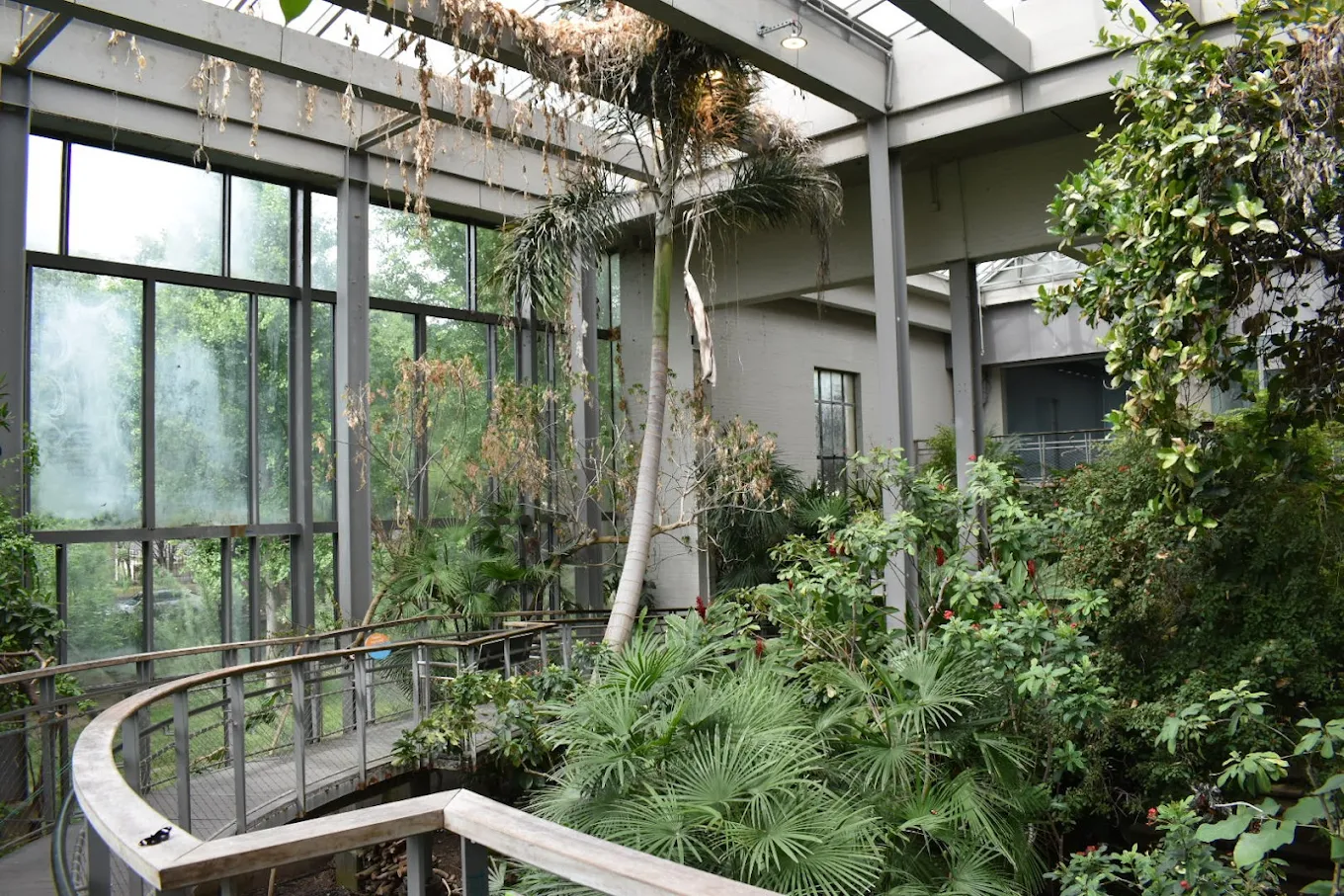
Located in Fair Park, the Texas Discovery Gardens offers a deep dive into organic gardening and entomology. The highlight is the Rosine Smith Sammons Butterfly House, a two-story tropical conservatory filled with hundreds of free-flying butterflies. It’s a quiet, immersive way for kids to learn about pollination and the lifecycle of insects.
Beyond the butterflies, the gardens feature honeybee hives and a "Snake Shack" that educates visitors on local reptiles and the importance of native Texas plants.
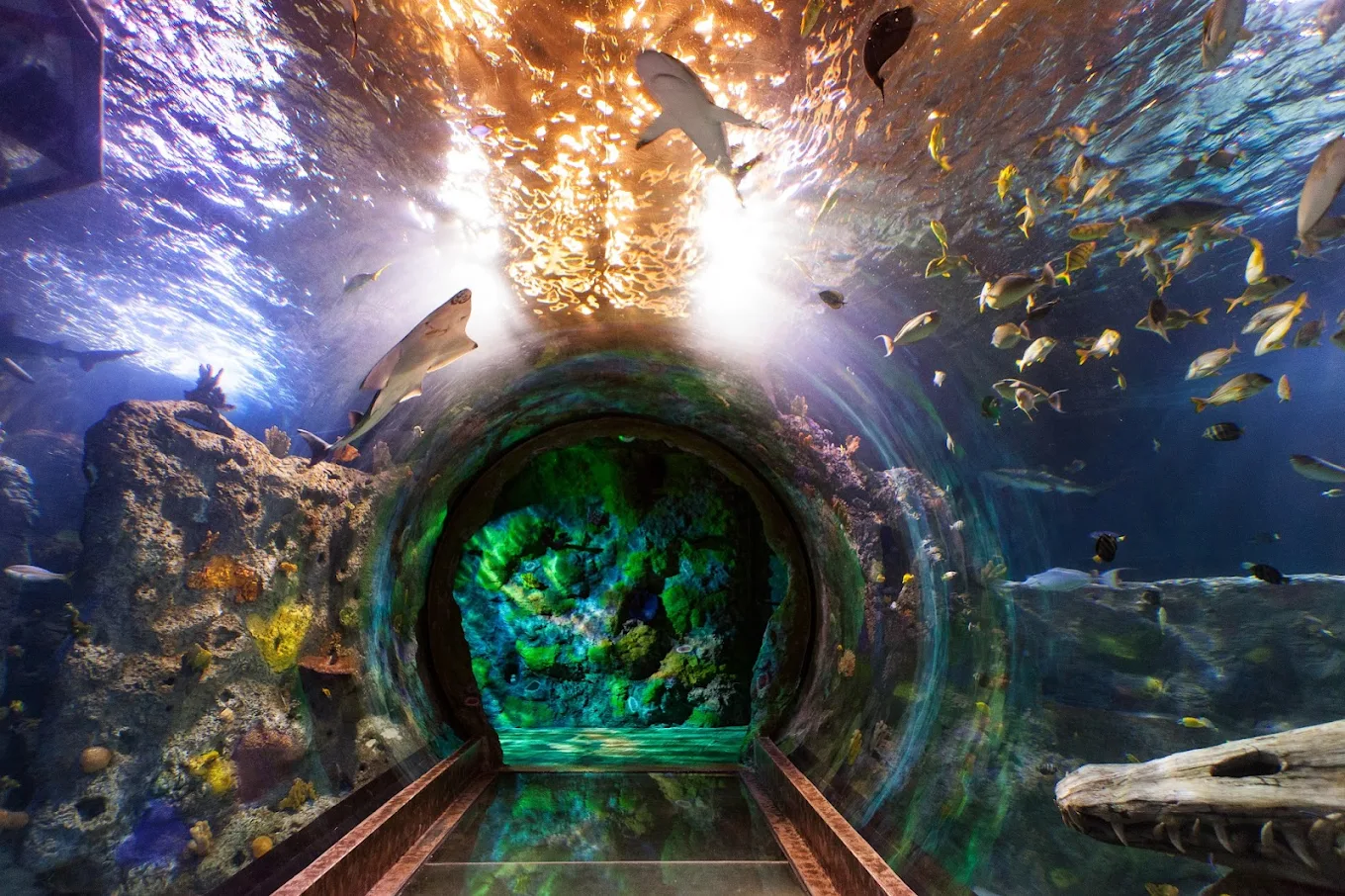
For kids who are fascinated by the ocean, SEA LIFE Grapevine provides an up-close look at marine life through a series of themed exhibits and a massive 360-degree ocean tunnel. They host thousands of sea creatures, including sharks, rays, and rescued sea turtles, providing a platform for discussions on ocean conservation and marine biology.
The interactive rockpool allows kids to touch sea stars and anemones while learning about the delicate ecosystems of tide pools.
Beyond the Classroom
The best kind of learning happens when kids are having fun. Dallas-Fort Worth is a massive playground for curious minds, and having a GetOut membership makes it easy to keep these educational spots in your regular rotation. Whether you’re spending the morning at the zoo or an afternoon at Sci-Tech, you're giving the kids a chance to explore their home city and discover something new every time you leave the house. Grab the app, pick a spot, and go see what there is to learn today.
Q. How much walking should I expect at the Fort Worth Zoo?
A. A lot. This zoo is large and spread out, so plan for several miles of walking. Strollers or wagons help, even for older kids who may fade halfway through. Be sure to wear comfortable shoes.
Q. What age range is the Sci-Tech Discovery Center best for?
A. Ideal for elementary-aged kids, but younger kids can still enjoy hands-on areas. Older kids who like building or experimenting will get the most out of it.
Q. How long should we plan to stay at the Sci-Tech Discovery Center?
A. About 2–3 hours works well. It’s engaging but not overwhelming, making it a good half-day outing.
Q. Is the SEA LIFE Grapevine Aquarium stroller-friendly?
A. Yes. The layout is designed for easy flow, and pathways are manageable for strollers.
Living in the Dallas-Fort Worth Metroplex means your area is home to some of the most highly-regarded museums, science centers, and wildlife conservation hubs in the country. Unfortunately, it’s easy to let those resources go untapped when the weekend routine takes over. This guide’s goal is to trade screen time for hands-on discovery, and luckily, Texas is packed with local staples that make subjects like marine biology, physics, and conservation exciting for kids. Whether that’s an immersive discovery garden or an aquarium with thousands of sea creatures, Texas families have endless opportunities for fun, yet educational activities.
With a GetOut membership, there’s no overthinking the plans, no individual ticket prices, and no logistical headaches. Every attraction on this list is included with a GetOut membership, allowing you to focus solely on exploring.
Here are the best spots in DFW to keep the kids learning while they play:
Consistently ranked among the best in the nation, the Fort Worth Zoo is the ultimate classroom for wildlife education. It’s home to more than 500 species, including the massive Elephant Springs and the African Savanna. The zoo focuses heavily on conservation and habitat recreation, giving kids a firsthand look at global ecosystems.
Check the daily schedule for keeper chats and animal demonstrations where the staff explain the behaviors and biology of the animals in their care.
Located in Frisco, the Sci-Tech Discovery Center is designed specifically for STEM learning. This is an environment where kids are encouraged to experiment with physics, chemistry, and engineering. From bubble labs to high-tech maker spaces, it’s built to spark a curiosity for how things work.
Their rotating exhibits often focus on real-world technology and scientific principles, making abstract concepts feel tangible for younger learners.
Located in Fair Park, the Texas Discovery Gardens offers a deep dive into organic gardening and entomology. The highlight is the Rosine Smith Sammons Butterfly House, a two-story tropical conservatory filled with hundreds of free-flying butterflies. It’s a quiet, immersive way for kids to learn about pollination and the lifecycle of insects.
Beyond the butterflies, the gardens feature honeybee hives and a "Snake Shack" that educates visitors on local reptiles and the importance of native Texas plants.
For kids who are fascinated by the ocean, SEA LIFE Grapevine provides an up-close look at marine life through a series of themed exhibits and a massive 360-degree ocean tunnel. They host thousands of sea creatures, including sharks, rays, and rescued sea turtles, providing a platform for discussions on ocean conservation and marine biology.
The interactive rockpool allows kids to touch sea stars and anemones while learning about the delicate ecosystems of tide pools.
Beyond the Classroom
The best kind of learning happens when kids are having fun. Dallas-Fort Worth is a massive playground for curious minds, and having a GetOut membership makes it easy to keep these educational spots in your regular rotation. Whether you’re spending the morning at the zoo or an afternoon at Sci-Tech, you're giving the kids a chance to explore their home city and discover something new every time you leave the house. Grab the app, pick a spot, and go see what there is to learn today.
Q. How much walking should I expect at the Fort Worth Zoo?
A. A lot. This zoo is large and spread out, so plan for several miles of walking. Strollers or wagons help, even for older kids who may fade halfway through. Be sure to wear comfortable shoes.
Q. What age range is the Sci-Tech Discovery Center best for?
A. Ideal for elementary-aged kids, but younger kids can still enjoy hands-on areas. Older kids who like building or experimenting will get the most out of it.
Q. How long should we plan to stay at the Sci-Tech Discovery Center?
A. About 2–3 hours works well. It’s engaging but not overwhelming, making it a good half-day outing.
Q. Is the SEA LIFE Grapevine Aquarium stroller-friendly?
A. Yes. The layout is designed for easy flow, and pathways are manageable for strollers.



.jpg)